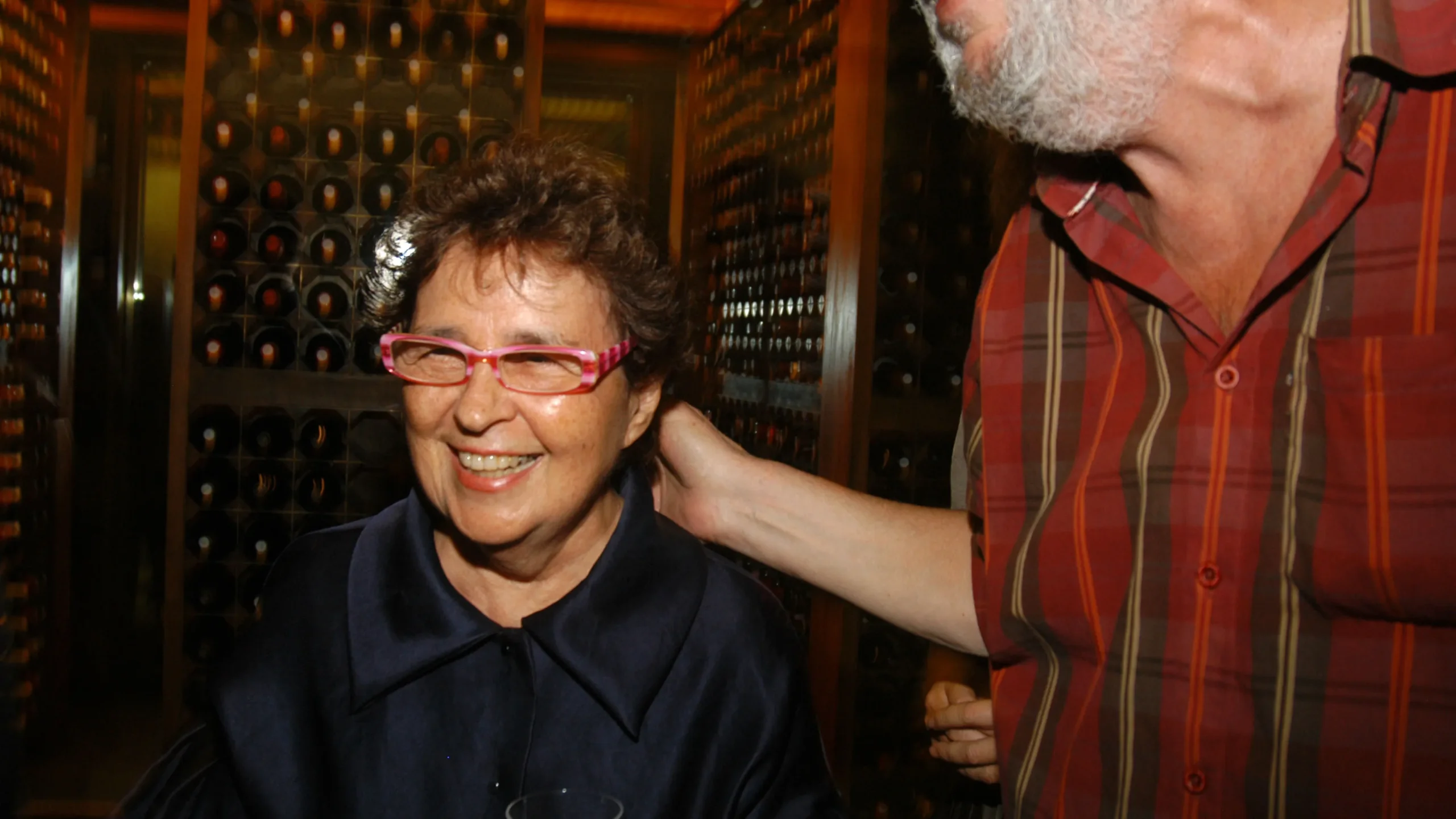
Picture this: a petite woman with a sharp eye and an even sharper mind, navigating the male-dominated art scene of 1970s New York like a quiet storm. Marian Goodman wasn’t just a dealer; she was a bridge-builder, connecting avant-garde European visions to American shores. Her passing at 97 leaves a void, but her legacy? That’s etched in every challenging artwork she championed. Let’s walk through her remarkable journey, from humble beginnings to becoming the art world’s understated powerhouse.
The Roots of a Visionary: Early Life
Marian Ruth Geller entered the world on June 15, 1928, in New York City, growing up in a family that sparked her artistic flame. Her father, Maurice, collected Milton Avery’s works, planting seeds of appreciation early on.
Raised on the Upper West Side, she attended the progressive Little Red School House, fostering her independent spirit. By high school at Emerson, her curiosity bloomed, leading to graduate studies in art history at Columbia University in 1963—where she was the lone woman in her class. This isolation honed her resilience, a trait that defined her career. Friends recall her as fiercely intelligent yet warm, always ready with a wry smile.
From Motherhood to Multiples: Entering the Art Scene
Life threw curveballs when Marian divorced, suddenly supporting two young children as a single mom in the 1960s. Art became her lifeline, blending passion with practicality.
She co-founded Multiples in 1965, focusing on affordable artists’ editions and prints. This venture introduced Americans to bold names like Joseph Beuys and Marcel Broodthaers, while featuring locals such as Andy Warhol. One anecdote stands out: to fund her kids’ Walden School, she organized a 1962 portfolio of cheap New York prints, raising cash and honing her business savvy. It was gritty work, but she thrived, joking later that “art multiples were my way of democratizing beauty without going broke.”
Founding the Marian Goodman Gallery
By 1977, Marian was ready to stake her claim, opening her namesake gallery in Manhattan at a time when women dealers were rarities. Her focus? Challenging, conceptual art that prioritized ideas over easy sales.
The debut show was meant for Broodthaers, but his sudden death shifted plans—yet she pressed on, relocating to West 57th Street in 1984. Critics hailed her for shunning trends, with one reviewer noting her space felt like “a sanctuary for the intellectually restless.” Her philosophy shone: support artists for 15-20 years, building loyalty that paid off in cultural impact, not just dollars.
Key Milestones in Her Gallery’s Growth
- 1977: Opens first space in New York, emphasizing transatlantic dialogues.
- 1980s: Brings German heavyweights like Gerhard Richter and Anselm Kiefer to U.S. audiences.
- 1995: Expands to Paris, solidifying her European roots.
Championing Avant-Garde Artists
Marian’s roster read like a who’s who of boundary-pushers, from filmmakers to sculptors. She spotted talent early, nurturing careers that redefined contemporary art.
Artists like Steve McQueen and Julie Mehretu found a fierce advocate in her; Mehretu once called her a “lioness” for her protective zeal. Gerhard Richter joined in 1985, crediting her for his American breakthrough. Even after defections—like Richter leaving in 2022—she remained gracious, focusing on legacies over losses. Her dinners, absent collectors but brimming with curators and creators, fostered genuine connections, as artist Lawrence Weiner recalled her “grand generosity.”
Comparing Marian’s Approach to Other Gallerists
| Aspect | Marian Goodman | Larry Gagosian |
|---|---|---|
| Focus | Conceptual, challenging works | Market-driven, blue-chip artists |
| Style | Discreet, long-term loyalty | Flashy, global mega-presence |
| Impact | Cultural bridge-builder | Commercial powerhouse |
| Legacy | Humanistic, artist-first | Expansionist empire |
Pros and Cons of Her Dealer Philosophy
- Pros: Built enduring artist relationships, influencing museums worldwide. Prioritized depth over hype, earning respect from peers.
- Cons: Sometimes overlooked commercial trends, leading to slower financial growth. Her privacy occasionally sparked mystery, fueling industry gossip.
Expanding Horizons: International Ventures
The 1990s saw Marian go global, opening a Paris outpost in the Marais district’s Hôtel de Montmor. It was a natural step, given her love for European avant-garde.
London followed in 2014, in a David Adjaye-designed warehouse, though Brexit and COVID forced its 2020 closure—reimagined as pop-up projects. Los Angeles debuted in 2023, a Johnston Marklee warehouse campus near her son. She quipped in interviews that expansion was “less about conquest, more about conversation.” These moves cemented her as a transatlantic force, blending cultures seamlessly.
Personal Touches: Life Beyond the Gallery
Marian’s world wasn’t all white walls; she balanced it with activism and family. In 1956, she rallied mothers against Robert Moses’ Tavern on the Green parking expansion, winning a playground instead—a tale she shared with a chuckle.
Married briefly, she raised son Andrew and daughter Leslie alone, instilling values that echoed in her work. Later years brought her to LA near Andrew, where she celebrated her 90th at Versailles—fitting for an art queen. Her jackets and spectacles became signatures, hiding a wit that disarmed even the gruffest critics. As she told The New Yorker, art demanded “aesthetic judgment and social responsibility.”
Pros and Cons of Her Private Persona
- Pros: Avoided scandals, focused energy on artists. Cultivated mystique that enhanced her allure.
- Cons: Rare interviews left some feeling distant. Privacy sometimes masked the human struggles behind her success.
The Twilight Years and Passing
As she approached her centennial, Marian appointed partners in 2021—Rose Lord, Junette Teng, Emily-Jane Kirwan, Leslie Nolen, and briefly Philipp Kaiser—to ensure continuity. The New York gallery’s 2023 move to Tribeca’s 385 Broadway marked a fresh chapter.
She passed peacefully on January 22, 2026, from natural causes in a Los Angeles hospital, aged 97. Tributes poured in; her gallery announced a future celebration, suggesting donations to the Andrew Goodman Foundation or Humane Society. One artist lamented, “She carried a soft stick and laid it down hard,” capturing her gentle yet formidable essence.
Enduring Legacy in Contemporary Art
Marian reshaped the scene by prioritizing humanistic, critical art over fads. Her influence rippled through institutions, with works in major museums thanks to her advocacy.
Ranked high in power lists—like Forbes’ top dealers—she proved women could lead without compromise. As Frieze noted, she “paved the way for conceptually driven practices.” Today, her galleries thrive, a testament to her vision. Think of her next time you see a Richter—her quiet hand guided it across the ocean.
Marian Goodman vs. Other Pioneering Women Gallerists
| Gallerist | Key Contribution | Notable Artists |
|---|---|---|
| Marian Goodman | Transatlantic avant-garde bridge | Gerhard Richter, Julie Mehretu |
| Ileana Sonnabend | Pop and minimalism pioneer | Andy Warhol, Jeff Koons |
| Mary Boone | 1980s New York hype machine | Julian Schnabel, David Salle |
People Also Ask
Who was Marian Goodman?
Marian Goodman was a trailblazing American gallerist who founded her eponymous gallery in 1977, renowned for introducing European avant-garde artists to the U.S.
What artists did Marian Goodman represent?
She championed talents like Gerhard Richter, Steve McQueen, William Kentridge, and Julie Mehretu, focusing on conceptual and socially engaged works.
When and how did Marian Goodman die?
She passed away on January 22, 2026, at age 97 from natural causes in a Los Angeles hospital, as confirmed by her family and gallery.
Where are Marian Goodman Galleries located?
The galleries operate in New York (Tribeca), Paris (Marais), and Los Angeles (Hollywood warehouse), with past projects in London.
FAQ
What made Marian Goodman’s gallery unique?
Her space stood out for its commitment to challenging, non-commercial art, fostering long-term artist relationships over quick sales.
How did Marian Goodman influence the art market?
By bridging Europe and America, she elevated conceptual practices, influencing museum acquisitions and global trends without chasing hype.
What awards did Marian Goodman receive?
She earned an honorary degree from CUNY Graduate Center in 2012 and the Leo Award from Independent Curators International in 2016.
Where can I learn more about her artists?
Visit the Marian Goodman Gallery website for exhibitions, or explore books like “Artists and Photographs” from her Multiples era.
What is the future of Marian Goodman Gallery?
With appointed partners leading, the gallery continues her vision, including recent expansions and a focus on emerging voices.
(Word count: 2,812)