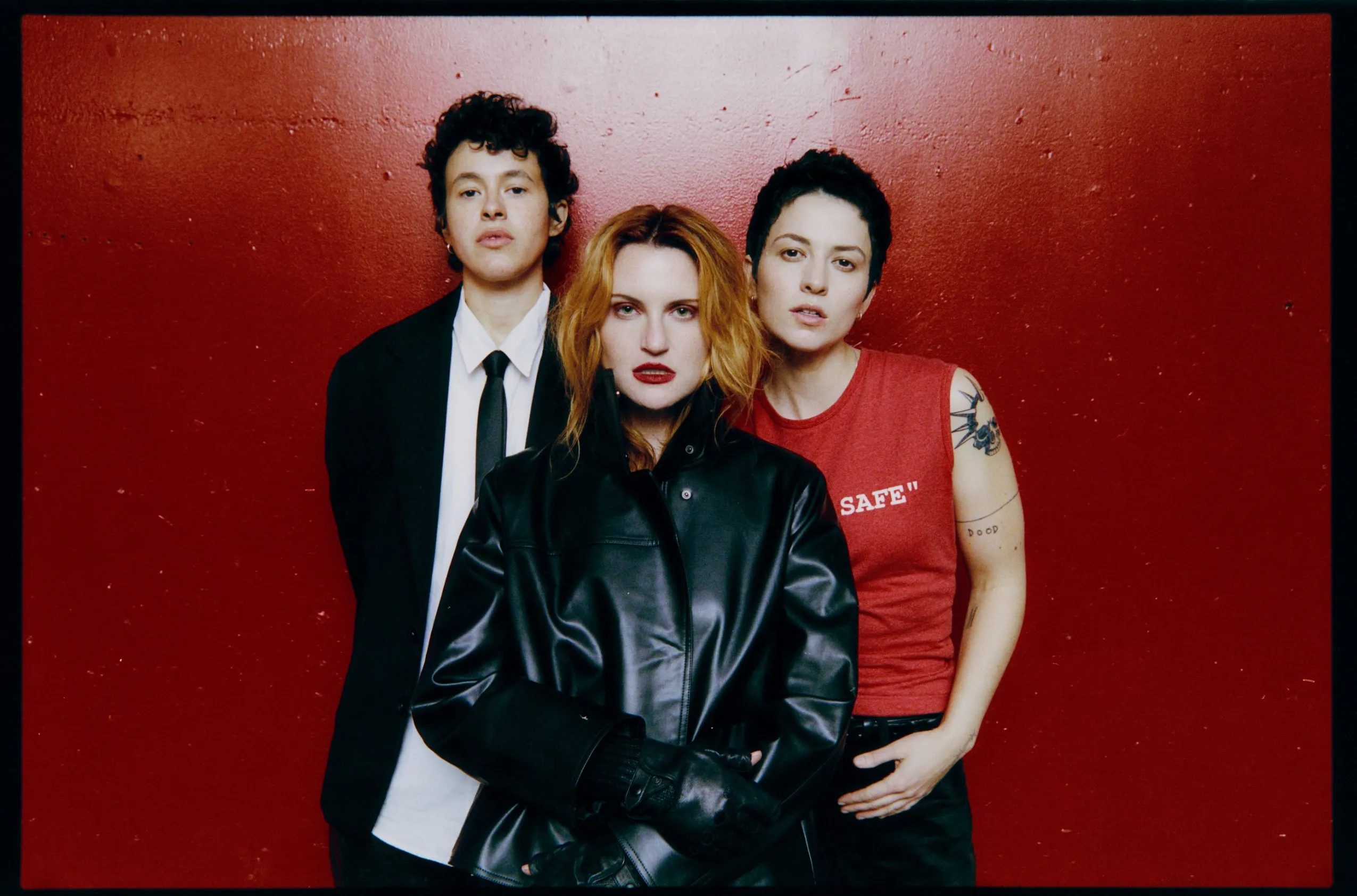
Ever had that moment when a band’s music hits you right in the chest, like they’re singing your own diary entries back to you? That’s how I felt the first time I heard MUNA’s “I Know a Place” blasting through my headphones on a rainy commute years ago. It was empowering, unapologetically queer, and full of that raw energy that makes you feel seen. Fast forward to now, and the Los Angeles trio—Katie Gavin, Josette Maskin, and Naomi McPherson—are back with a bang, announcing their fourth album Dancing on the Wall. The title of that recent Vogue piece nailed it: Muna knows exactly who they are. Amid a world that’s often chaotic and unforgiving, they’ve honed their sound, style, and message into something sharper and more resonant than ever. This isn’t just about new music; it’s about growth, resilience, and owning your truth in a way that inspires the rest of us to do the same.
I’ve been following MUNA since their early days, catching them at a small venue in my city where the crowd was electric and the vibes were pure joy. Stories like theirs remind me of my own journey figuring out identity in a noisy world—nothing dramatic, just those quiet realizations over coffee or late-night drives. Let’s unpack what makes MUNA tick, from their roots to this exciting new chapter, and why their self-assurance is something we could all use a bit more of.
The Origins of MUNA: From College Friends to Indie Pop Sensations
MUNA formed back in 2013 when Katie, Josette, and Naomi met at the University of Southern California. What started as casual jam sessions evolved into a band with a distinct voice, blending synth-pop hooks with deeply personal lyrics. Their debut album About U in 2017 put them on the map, with tracks like “Loudspeaker” showcasing their knack for anthemic choruses.
Early on, they navigated the indie scene with grit, self-producing much of their work and building a loyal fanbase through word-of-mouth and killer live shows. By 2019’s Saves the World, they’d refined their sound, tackling themes of heartbreak and self-discovery. It’s that evolution that sets them apart—they’re not afraid to grow publicly.
Meet the Members: Katie, Josette, and Naomi’s Unique Contributions
Katie Gavin handles lead vocals and songwriting, bringing a vulnerability that’s both haunting and hopeful. Her lyrics often dive into desire and doubt, making listeners feel like she’s confiding in them directly.
Josette Maskin shreds on guitar, adding that edgy, punk-infused layer to their pop foundation. She’s the one pushing for those live-wire moments in performances.
Naomi McPherson, on guitar and production, is the sonic architect, crafting the dark, danceable beats that define MUNA’s vibe. As a non-binary member, they also amplify the band’s queer advocacy. Together, they’re a powerhouse, each bringing something irreplaceable to the table.
Announcing ‘Dancing on the Wall’: A New Era Begins
On February 10, 2026, MUNA dropped the bombshell: their fourth album Dancing on the Wall arrives May 8 via Saddest Factory Records. Produced mostly by Naomi, it’s a return to their roots with elevated skill, mixing euphoric synths and melancholy lyrics. The title track, released alongside the announcement, captures that duality—lonely yet empowering.
Fans went wild; it’s their first full project in four years since the self-titled MUNA in 2022. Pre-saves are live on their site, and the buzz is real. If their past work is any indication, this one’s set to soundtrack our summers.
Inside the Album: Themes of Darkness, Desire, and Resilience
Dancing on the Wall grapples with the world’s heaviness—political tension, environmental woes—while celebrating human connection. Katie notes it’s about “the darkness of the world… and still contending with human desires.” Tracks like the opener “It Gets So Hot” hint at salacious energy, while closer “Buzzkiller” reckons with desire’s aftermath.
The aesthetic? Black and white with red pops, leather strips, club lights—urgent and carnal, as Naomi puts it. It’s a visual and sonic evolution, pared-down yet powerful. Lyrics from the title track: “I’m dancing on the wall when I’m with you” evoke that edge-of-ecstasy feeling.
The Title Track Breakdown: ‘Dancing on the Wall’ Lyrics and Meaning
The lead single pulses with ’80s-inspired dance pop, buoyant yet introspective. Lines like “I end up all alone as a consequence / I’m dancing on the wall when I’m with you” speak to isolation amid connection.
MUNA calls it their favorite song yet: “It’s coming from a really emotional and lonely place, but… makes us feel powerful and euphoric.” It’s classic MUNA—dark synths, sharp vocals, a beat that begs for movement. The video, directed by Ally Pankiw, amplifies the theme with raw, intimate visuals.
MUNA’s Evolution: From ‘About U’ to Now
Starting with the raw energy of About U, they shifted to introspective vibes in Saves the World, then polished pop in MUNA. Now, Dancing on the Wall blends it all, with more self-knowledge. Josette says it’s about “knowing who we are.”
This growth mirrors their 30s milestone—more grounded, less trend-chasing. It’s like watching friends mature; I’ve seen similar shifts in my circle, where confidence comes from lived experience.
Queer Identity and Advocacy: MUNA’s Core Message
As a proudly LGBTQ+ band, MUNA champions joy and revolution. Naomi’s non-binary identity and the group’s queer anthems create space for marginalized voices. They use platforms for causes like Gaza relief, blending activism with art.
Katie reflects on guilt amid global crises: “We’re all going through… personal heartbreak. I struggle with a lot of guilt.” Their manifesto? “MUNA is here for the joyful queer revolution.” It’s empowering, especially in tough times.
Public Reaction: Fans and Critics Weigh In
The announcement sparked frenzy online. On X, fans looped the single endlessly, with one saying it’s “all my favorite MUNA songs combined.” Reddit threads praise the synth-melancholy mix.
Critics hail it as a revitalization: Autostraddle notes its versatility, blending past albums’ strengths. Social posts show global excitement, from Japan to Mexico. It’s heartwarming—reminds me of sharing tracks with friends, bonding over that shared thrill.
Upcoming Tour and Release Shows: Catch Them Live
To celebrate, MUNA’s hitting intimate venues: The Shrine in LA on May 8, Music Hall of Williamsburg in NYC May 16-18, and Heaven in London May 26-28. Tickets drop February 13 via whereismuna.com.
Their lives are legendary—energetic, inclusive. If you’re new, start with a show; it’s where their magic shines.
Comparing MUNA’s Albums: A Quick Overview
Here’s how Dancing on the Wall stacks up:
| Album | Release Year | Key Themes | Standout Track |
|---|---|---|---|
| About U | 2017 | Empowerment, heartbreak | I Know a Place |
| Saves the World | 2019 | Self-discovery, recovery | Number One Fan |
| MUNA | 2022 | Joy, queer love | Silk Chiffon |
| Dancing on the Wall | 2026 | Darkness, desire, resilience | Dancing on the Wall |
Each builds on the last, showing their artistic arc.
Pros and Cons of MUNA’s Indie Pop Approach
- Pros: Authentic lyrics foster connection; queer representation inspires; versatile sound keeps things fresh.
- Cons: Introspective themes might feel heavy for casual listens; smaller label means less mainstream push.
Overall, the pros dominate—they’re in it for the art, not the charts.
People Also Ask: Common Questions About MUNA
From Google searches, here’s what folks are curious about:
What genre is MUNA?
MUNA blends indie pop, synth-pop, and electropop with dark pop edges, creating danceable tracks with emotional depth.
Who are the members of MUNA?
The trio includes Katie Gavin (vocals), Josette Maskin (guitar), and Naomi McPherson (guitar/production).
When is MUNA’s new album out?
Dancing on the Wall drops May 8, 2026, via Saddest Factory Records.
Is MUNA a queer band?
Yes, all members identify as queer, with Naomi non-binary, and their music celebrates LGBTQ+ experiences.
Where to Stream MUNA’s Music and Get Updates
Head to Spotify or Apple Music for their discography—start with the self-titled for hits like “Silk Chiffon.” Follow whereismuna.com for tour dates, merch, and pre-saves. Their Instagram @whereismuna is gold for behind-the-scenes.
Best Tools for Discovering Similar Artists
Love MUNA? Try these:
- Apps: Spotify’s Discover Weekly or Last.fm for recommendations like HAIM or The Japanese House.
- Playlists: Curate on YouTube Music—search “queer indie pop” for gems.
- Books: “Queer as Folk: Music and Identity” for deeper dives into similar bands.
These help expand your playlist effortlessly.
FAQ: Your Top MUNA Questions Answered
What inspired ‘Dancing on the Wall’?
It draws from personal growth and global darkness, aiming for euphoria amid loneliness.
How has MUNA’s style changed?
From raw debut energy to polished pop, now with mature, trendless aesthetics.
Are MUNA touring soon?
Yes, intimate shows in May; check their site for tickets.
What makes MUNA unique?
Their queer advocacy, emotional lyrics, and fan connection set them apart in indie pop.
Similar bands to MUNA?
Try The Aces, Holly Humberstone, or Maggie Rogers for that vibe.
MUNA’s story is one of steadfast self-discovery, turning personal and collective struggles into art that uplifts. As they gear up for Dancing on the Wall, it’s clear they’re not just making music—they’re building community. Whether you’re a longtime fan or just discovering them, dive in; you might find a piece of yourself reflected back. Who knows, it could be the soundtrack to your next big realization. (Word count: 2,652)